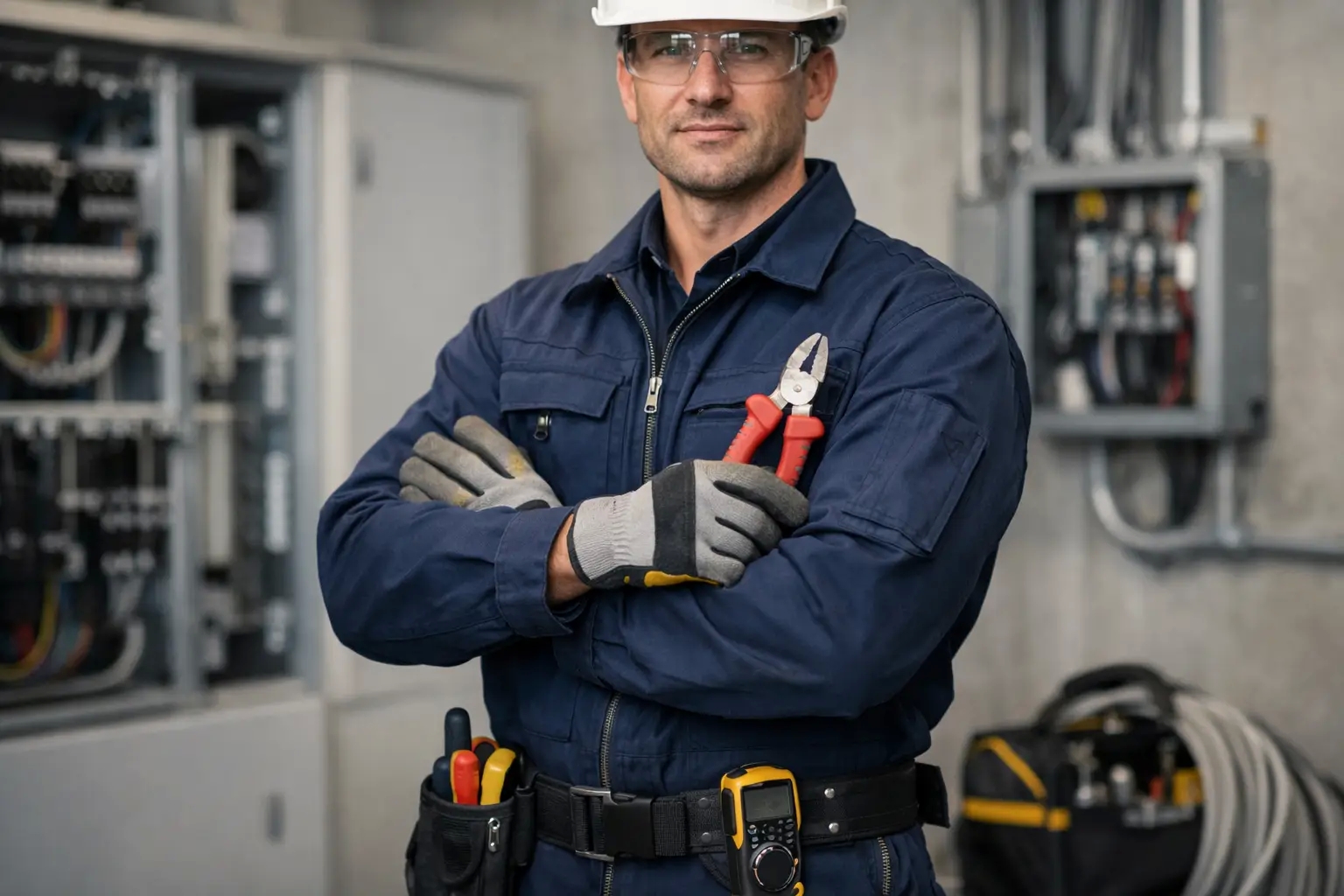
A coverall that binds at the shoulders or comes up short when you kneel is not just annoying. For electrical work, it can slow the job, wear out fast, and in some environments create a safety problem. The best coveralls for electricians need to do more than look professional. They need to match the hazard level, the pace of the work, and the conditions of the jobsite.
Electricians do not all work under the same exposure. A residential service tech handling routine installs has different apparel needs than a utility worker, maintenance electrician, or industrial contractor working around arc flash hazards. That is why the right choice starts with the work environment first, not just the brand name or the price tag.
What makes the best coveralls for electricians?
For most buyers, the decision comes down to four factors: protection, durability, mobility, and consistency. If the job requires flame-resistant apparel, FR compliance is the first filter. If the work is lighter duty or outside of an FR-required setting, comfort and wear life may matter more than premium protective features.
Fabric is usually where the trade-off starts. Heavier fabrics tend to hold up better against abrasion, repeated laundering, and rough surfaces. Lighter fabrics are easier to wear in warm conditions and can feel less restrictive during long shifts. Neither option is automatically better. It depends on whether the priority is extended garment life, all-day comfort, or required protection.
Fit matters more than many buyers expect. Electricians spend a lot of time reaching overhead, crouching, climbing, and working in tight spaces. A coverall that fits too close across the back or too low in the rise can become a daily frustration. Room to move through the seat, shoulders, and sleeves is usually more important than a trim appearance.
Pocket layout also deserves attention. Electricians often carry small tools, markers, notepads, gloves, and test gear. Too few pockets can slow down the work. Too many poorly placed pockets can snag or feel bulky. Utility access should be practical, not excessive.
FR vs. standard coveralls
This is the first buying decision that should be made correctly. If the worksite, customer requirement, or company safety policy calls for flame-resistant apparel, standard coveralls are not an acceptable substitute. In those cases, electricians should be looking at FR coveralls from established workwear brands with clear compliance labeling and dependable manufacturing standards.
FR coveralls are built for environments where exposure to flash fire or electric arc hazards is part of the risk profile. That does not mean every electrician needs them every day. Plenty of service, construction, and low-exposure tasks may not call for FR garments. But if there is any question, the right move is to follow the site requirement and hazard assessment rather than treating FR as optional.
For operations managers and purchasing teams, this matters beyond individual comfort. Standardizing the correct garment type helps reduce ordering mistakes, supports compliance, and makes repeat purchasing easier across crews.
Fabric choices and how they affect the job
Cotton-rich coveralls are often preferred for comfort and breathability. They can feel better over a long day, especially indoors or in warmer weather. The trade-off is that they may wear differently than blends and can feel heavier once they absorb moisture.
Poly-cotton blends are common in non-FR coveralls because they balance durability, wrinkle resistance, and easier care. For general shop use or lighter-duty electrical work where FR is not required, that blend can make sense. It tends to maintain a cleaner uniform appearance with less effort, which matters for service teams and customer-facing technicians.
In FR garments, fabric technology becomes more specific. Some electricians prefer the familiar feel of treated cotton or cotton-rich FR fabrics. Others want lighter-weight FR blends that improve movement and reduce fatigue. There is no universal winner. The best option depends on climate, laundering routine, and how physically demanding the work is.
If your team works across multiple environments, it may make more sense to stock more than one coverall type rather than forcing one fabric to cover every season and every job condition.
Features electricians should actually care about
The best coveralls for electricians usually get the basics right before adding extras. A two-way front zipper can make a noticeable difference in convenience. Side pass-through access can help when workers need to reach pants pockets or tool loops underneath. Action backs, pleated elbows, and gusseted movement points are worth paying for if the work involves frequent climbing, kneeling, or overhead reach.
Cuff style matters too. Adjustable cuffs can help create a cleaner fit around gloves and reduce interference. Elastic waists improve shape and mobility for some wearers, but not everyone likes the feel. In hotter conditions, venting and lighter fabric weights can matter more than storage options.
Knee reinforcement is another feature that depends on the job. For electricians working in new construction, plant maintenance, or field service where kneeling is common, reinforced wear points can extend garment life. For lighter service work, that upgrade may not be necessary.
High-visibility striping can also enter the decision if electricians work near traffic, equipment movement, or utility operations. At that point, the purchase is no longer just about coveralls. It becomes a category decision involving visibility requirements as well as electrical hazard protection.
Best coveralls for electricians by work setting
There is no single best coverall for every electrician, but there is usually a best type for each use case.
For industrial and utility environments, FR coveralls are the right starting point. Buyers should focus on trusted brands known for industrial protection, clear compliance information, and consistent sizing across repeat orders. Durability and protection come ahead of cosmetic details in this setting.
For commercial maintenance and facility electricians, the decision may be more mixed. If the site requires FR, stay with FR. If not, a durable work coverall with good mobility and easy-care fabric may be the more economical option. These teams often need uniforms that hold up to constant wear while still presenting a clean, consistent appearance across departments.
For residential and service electricians, comfort and flexibility usually rank high. A lighter coverall with enough room to move in crawl spaces, attics, and finished interiors can be the better fit. If technicians enter occupied homes or customer-facing environments, a cleaner-looking garment with straightforward branding can also support a more professional presentation.
For shop-based electrical work or mixed-role technicians, versatility matters most. In that case, buyers often choose dependable, midweight coveralls that are durable enough for repeated use without overbuying for hazards that are not actually present.
Brand selection and procurement value
Most experienced buyers do not want to test unknown workwear when they are purchasing for a crew. Recognized brands matter because sizing tends to be more consistent, product specs are easier to verify, and replacement ordering is simpler. That is especially important for uniform programs, multi-site operations, and companies trying to control apparel spend over time.
This is where supplier depth matters. A broad catalog makes it easier to compare FR and non-FR options, match garments to job roles, and keep purchasing centralized. For businesses that need embroidery, emblems, or quote-based ordering, working with a supplier that understands industrial apparel can remove a lot of friction from the process. American Work Apparel fits that model for buyers who want established brands and category-specific selection in one place.
Common buying mistakes
One common mistake is buying for appearance first. A coverall may look sharp on the product page, but if it lacks the right protection level or does not hold up to the work, it will not save money.
Another mistake is assuming all FR garments feel heavy or stiff. Older assumptions do not always match current options. Some modern FR coveralls offer better mobility and lighter fabric weights than buyers expect, which can improve adoption across crews.
Sizing shortcuts are another problem. Ordering too small for mobility-heavy work usually leads to early returns, employee complaints, or garments wearing out at stress points. If workers layer underneath in colder weather, that should also be built into the fit decision.
Finally, some teams buy one coverall type for every role because it simplifies purchasing. That can work, but only if the roles are truly similar. If one group needs FR and another does not, or one team works indoors while another works outdoors all day, a single-garment policy may create unnecessary cost or performance issues.
How to choose with fewer regrets
Start with the hazard requirement. If FR is required, that narrows the field immediately. From there, look at climate, movement demands, wear points, and laundering conditions. Then compare brands based on consistency, availability, and long-term reorder convenience.
For individual electricians buying their own gear, the best choice is usually the one that matches the actual work you do most often, not the most extreme task you might do once in a while. For company buyers, the better approach is often role-based selection rather than one-size-fits-all purchasing.
The right coverall should feel like part of the job, not something the worker has to fight through the shift. When protection, mobility, and durability line up with the work, crews notice it fast, and so does the replacement budget.
Fabric Colors: Every effort is made to display fabric colors as accurately as possible. However, exact color matches cannot be guaranteed. When an exact match is required, we strongly recommend purchasing a physical color sample. Due to variations in monitor settings - including brightness, contrast, and color calibration - actual item colors may differ from what you see on your screen.
Country of Origin: Imported, Unless Otherwise Noted.
 Search
 BE THE FIRST TO KNOW
Enter your email address to receive monthly speical offers and discounts delievered right to your inbox!
Privacy Policy