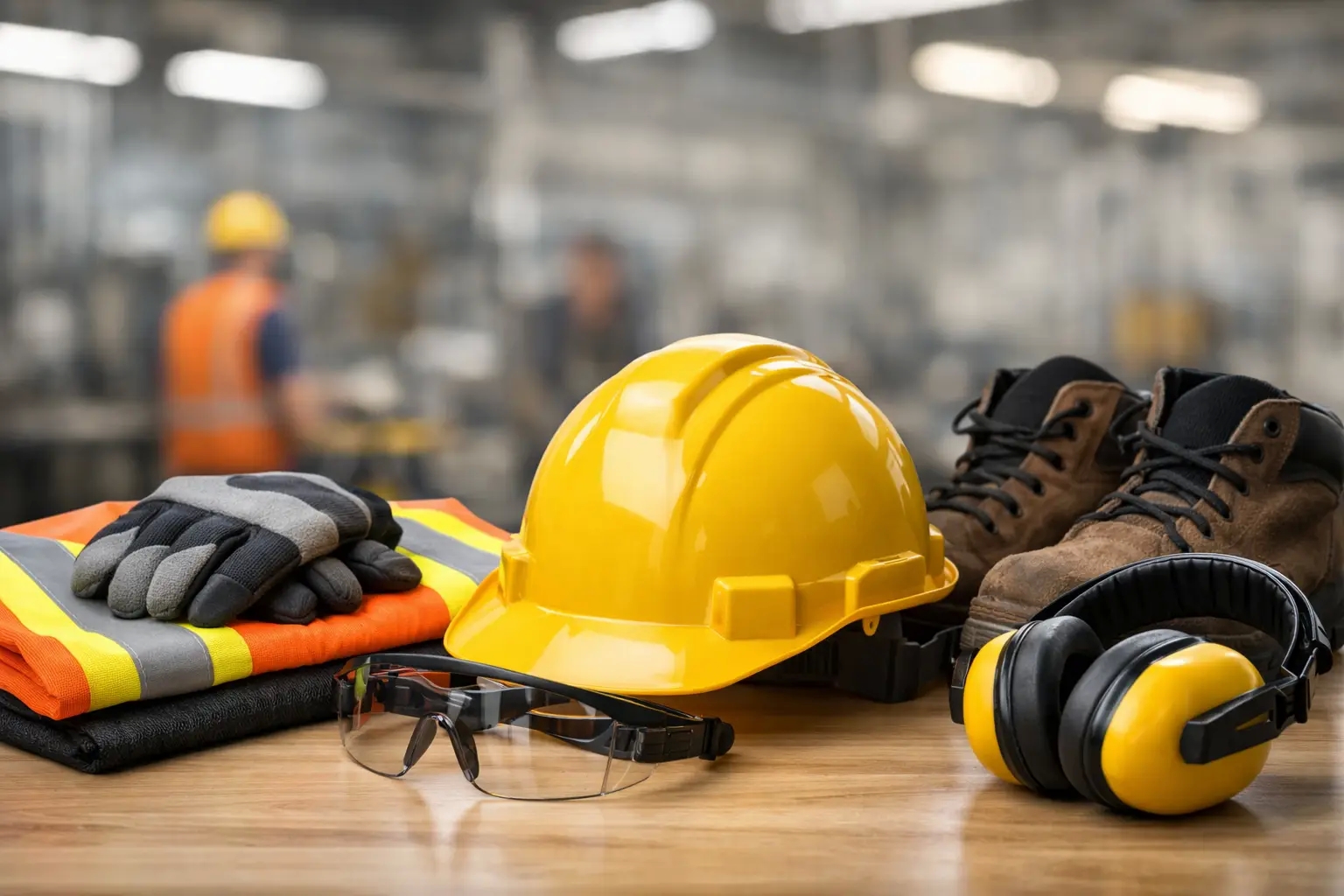
A safety vest that checks one box but misses three others costs more than it saves. The same goes for FR shirts bought without knowing the hazard level, rainwear that blocks visibility, or uniforms that fit poorly enough to get left in a locker. If you are figuring out how to buy safety apparel, the right starting point is not color, brand, or price. It is the actual job, the exposure, and the standard the garment needs to meet.
For buyers managing crews, that usually means balancing compliance, durability, availability, and cost across multiple roles. For individual workers, it means getting gear that protects properly and holds up on the job site, in the shop, or on the plant floor. In both cases, buying well starts with narrowing the risk before narrowing the product.
How to buy safety apparel without guessing
The biggest mistake in safety apparel purchasing is buying by general category instead of by use case. "Hi-vis jacket" or "FR pants" is too broad to make a good decision. You need to know what the worker is doing, where the work happens, what hazards are present, and whether the garment needs to be part of a uniform program or a one-time purchase.
Start with the work environment. Outdoor utility crews, manufacturing teams, warehouse drivers, mechanics, food processing staff, and traffic-facing workers do not need the same apparel, even if they all need "safety clothing." Exposure to flash fire or arc hazards points you toward flame-resistant garments. Low-light roadside work points you toward high-visibility apparel with the right class level. Wet conditions may require waterproof outerwear, but that outerwear still has to preserve visibility or FR performance if those protections are required.
That is where many purchases go off track. A garment can be durable and affordable but still be the wrong garment if it does not meet the hazard. Safety apparel has to be bought in the right order: hazard first, compliance second, wear life third, and price after that.
Match the apparel to the hazard
Before comparing fabrics or brands, identify the protection category. The most common divide is between general occupational workwear and apparel that must meet a stated safety standard.
If the job involves potential exposure to arc flash, flash fire, combustible dust, or similar thermal hazards, you are in flame-resistant territory. In that case, buyers should confirm the required rating and standard for the job rather than assuming any FR label is enough. Different garments are built for different exposures, and the wrong level of protection is not a bargain.
If workers are exposed to moving traffic, mobile equipment, dawn or nighttime conditions, or visually cluttered environments, high-visibility apparel may be required. Here, garment class, background material color, and reflective trim placement matter. A bright shirt is not automatically compliant. A black rain jacket worn over a hi-vis vest defeats the point.
Some jobs require both. That combination narrows your options, which is another reason to define the requirement early. Buying separate gear without checking compatibility often leads to layering problems, coverage gaps, or noncompliant combinations.
For buyers covering mixed roles, it helps to split the purchase by task group instead of trying to standardize every worker into the same item. A shop technician, service driver, and yard employee may all wear company-branded apparel, but their safety requirements are not identical.
Fit, mobility, and fabric matter more than they seem
A compliant garment that workers do not wear correctly is a failed purchase. Safety apparel needs to fit the job physically, not just technically.
Heavy insulated outerwear may make sense for winter fieldwork, but it can also reduce mobility for tasks that require climbing, bending, or reaching. Lightweight hi-vis shirts are useful in hot environments, but if the fabric is too thin for the abuse of the job, replacement costs rise fast. FR clothing has its own trade-offs. Some fabrics prioritize comfort and lighter weight, while others are selected for toughness and longer wear cycles.
This is where buyer priorities need to be clear. If the workforce is hard on clothing, durability may justify a higher upfront cost. If turnover is high or sizing is inconsistent, a lower-cost option may be more practical as long as it still meets the standard. Neither choice is automatically better. It depends on replacement frequency, laundering conditions, and how standardized your uniform program needs to be.
Sizing also affects purchasing efficiency. Inconsistent fits across brands can create returns, delays, and employee dissatisfaction. For company orders, it is worth confirming size ranges and fit profiles before committing to a larger buy. Men's, women's, tall, and extended sizes are not just convenience issues. They affect wear compliance and professional appearance across the team.
How to buy safety apparel for teams
For business buyers, the purchase is usually bigger than the garment itself. You are not only buying shirts, jackets, or coveralls. You are buying consistency, reorder ability, and fewer purchasing problems later.
That changes what matters. Product availability becomes critical if you need the same item again in 60 or 90 days. Brand stability matters because discontinued styles create uniforming issues. Customization options matter if the garments need embroidered logos, name personalization, or emblems. Delivered price matters more than a low base price if freight, split shipments, and replacements keep adding cost.
A good team purchase is built around repeatability. Choose product lines that are established, available in a full size run, and suitable for the conditions your employees actually face. If you are outfitting multiple departments, keep approved options organized by job role. That makes reordering faster and helps avoid the slow drift into random substitutions.
For larger programs, quotes can make more sense than piecemeal online buying. Bulk outfitting, mixed-size orders, and customized uniforms often require a more controlled purchasing process. That is especially true when several brands or garment types are involved.
Brand, price, and value are not the same thing
Trusted workwear brands matter in safety apparel because consistency matters. Established manufacturers tend to provide clearer specifications, more reliable quality, and product lines designed around real occupational use. That does not mean the most expensive item is always the best buy.
The better question is what the garment costs over its service life. A low-cost hi-vis sweatshirt that fades quickly or tears at the seams may be more expensive than a better-built option that lasts through the season. On the other hand, premium gear can be unnecessary for light-duty use where replacement is infrequent and hazard exposure is limited.
For many buyers, the right value comes from buying within a trusted brand tier that matches the actual working conditions. That is one reason multi-brand sourcing can be useful. It gives you room to fit the garment to the job instead of forcing every role into one label or price point.
Common buying mistakes to avoid
The most expensive mistakes are usually simple ones. Buyers order high-visibility apparel without checking the class requirement. They buy outerwear that covers up compliant base garments. They choose FR products based on appearance instead of rating. They focus on unit price and ignore replacement frequency. They standardize one item across multiple job functions to simplify ordering, then spend more fixing the mismatch.
Another common issue is treating customization as an afterthought. If garments need logos, names, or emblems, account for that before finalizing the order. Decoration placement, fabric type, and garment function all need to work together. The goal is a professional uniform that does not interfere with the garment's intended use.
It also helps to think ahead about reorders. If a style is ideal but hard to source in volume, it can become a headache. A dependable replenishment path is part of a good purchasing decision.
A practical buying process
The cleanest way to buy safety apparel is to move through a short decision path. Identify the hazard and required standard. Match the garment category to the job. Compare fabric, weight, and durability based on actual wear conditions. Confirm sizing and availability. Then review branding, customization, and delivered cost.
If you are buying for a team, document approved items by role so future orders stay consistent. If you are buying for yourself, check the garment specs against the work you actually do most often, not the rare exception. A little discipline upfront prevents expensive guessing later.
American Work Apparel serves buyers who need that process to be straightforward, especially when the order includes recognized brands, industry-specific gear, and repeat purchasing needs.
The right safety apparel should do three things at once: meet the requirement, hold up to the work, and be easy to buy again when you need it. If a product misses any one of those, keep looking.
Fabric Colors: Every effort is made to display fabric colors as accurately as possible. However, exact color matches cannot be guaranteed. When an exact match is required, we strongly recommend purchasing a physical color sample. Due to variations in monitor settings - including brightness, contrast, and color calibration - actual item colors may differ from what you see on your screen.
Country of Origin: Imported, Unless Otherwise Noted.
 Search
 BE THE FIRST TO KNOW
Enter your email address to receive monthly speical offers and discounts delievered right to your inbox!
Privacy Policy