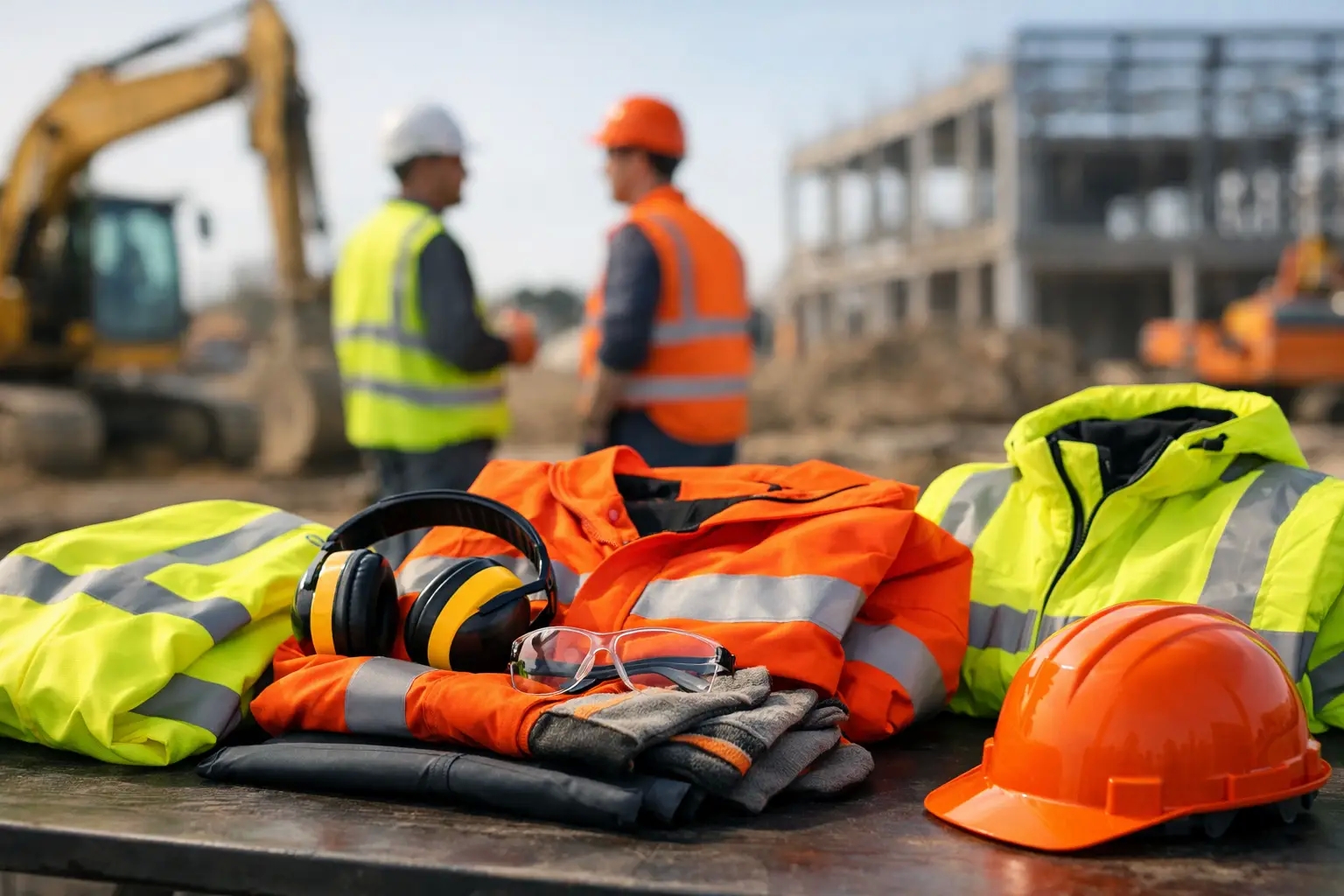
A vest that checks the box is not always the right vest for the job. If you are figuring out how to choose hi vis apparel, the real question is how much visibility, durability, weather protection, and compliance your crew actually needs on the worksite.
For some buyers, that means a basic Class 2 vest for daytime roadside work. For others, it means a waterproof jacket, tear-resistant pants, or flame-resistant hi-vis clothing for utility, oil and gas, or electrical environments. The right choice depends on where people work, what hazards are present, and how the garment will hold up over time.
How to choose hi vis based on jobsite risk
Start with the work environment, not the product category. Hi-vis gear is selected to improve worker conspicuity, but the level of visibility needed changes based on traffic speed, equipment movement, background conditions, and whether the job is performed in daylight, low light, or at night.
If employees work near moving vehicles, roadways, loading areas, warehouse traffic, or heavy equipment, visibility requirements become more demanding. A parking lot attendant, utility locator, municipal road crew, and refinery contractor may all need hi-vis apparel, but they do not need the same garment.
This is where garment class matters. ANSI/ISEA 107 is the standard most buyers look to when selecting hi-vis safety apparel in the US. In practical terms, Class 2 is common for workers exposed to traffic or equipment where visibility is necessary but conditions are more controlled. Class 3 is used when workers need the highest level of conspicuity, often in higher-speed traffic areas or more complex visual environments.
For off-road applications or worksites that do not fall under roadway exposure, some apparel may be designated as Type O for occupational use. Type R is generally associated with roadway exposure. Type P is used for public safety applications. If you are buying for a mixed workforce, it helps to sort employees by work zone rather than trying to put everyone in the same garment.
Understand the difference between compliance and suitability
A compliant garment is not automatically the best purchasing decision. It may meet the standard, but still fail in actual use if the fabric is too light, the pockets do not fit the job, or the garment is uncomfortable enough that workers remove it.
That is a common mistake in fleet, construction, utility, and plant environments. A low-cost mesh vest may be fine for occasional visitors or short-duration tasks. It is usually not the right answer for full-shift daily wear in abrasive conditions. If the garment snags, tears, or loses reflective trim performance too quickly, replacement costs climb and compliance becomes harder to maintain.
Suitability comes down to wear conditions. Ask how often the garment will be used, whether it must fit over jackets or arc-rated layers, and whether workers need storage for tools, radios, badges, or notebooks. Also consider laundering. Some garments are built for limited wear cycles, while others are better suited for repeated commercial or industrial use.
Class, type, and visibility level
When buyers ask how to choose hi vis clothing, class is usually the first filter. That makes sense, but class should be tied to the hazard assessment.
Class 1 is typically reserved for lower-risk environments with more separation from traffic. Class 2 is the most common choice for workers who need strong daytime and low-light visibility. Class 3 provides more background material and reflective coverage, making the wearer more visible from a greater distance and through a fuller range of body movement.
Higher class is not always better if it creates heat stress, limits mobility, or adds cost where the exposure does not justify it. On the other hand, under-specifying hi-vis apparel to save a few dollars can create a larger problem if the gear does not match the site conditions. For multi-location operations, one facility may need Class 2 while another requires Class 3 outerwear in winter months.
Choose the right garment type
Vests are the most common starting point because they are affordable, easy to size, and simple to issue over existing uniforms. They work well when employees need visible identification without replacing their base workwear system.
Jackets and parkas are a better fit for cold, wet, or wind-exposed conditions where the hi-vis layer also needs to provide weather protection. Sweatshirts and hoodies are often chosen for cooler indoor-outdoor work, especially in warehousing, service fleets, and utility support roles. Hi-vis shirts can be a practical option in hot conditions when workers need compliance without wearing a vest over another garment.
Pants, bibs, and coveralls make sense when visibility has to be maintained through full-body movement or when the upper garment may be obstructed. In dirty environments, coveralls can also help maintain a more consistent visible profile over the shift.
The trade-off is cost and heat load. A full hi-vis outerwear system offers more coverage, but it is not always the best answer for every role on the crew.
Fabric, weather, and durability matter
Fabric choice has a direct effect on wear life and comfort. Mesh garments improve airflow and are often preferred in hot weather, but they are not ideal for every application. Solid polyester fabrics generally provide more structure and may hold up better in rougher use. Ripstop fabrics can help in environments where snagging is a concern.
If crews work in rain, choose waterproof or water-resistant hi-vis outerwear with sealed seams where needed. If they work through winter, insulated garments may be necessary, but bulkier layers can affect movement and sizing. For year-round programs, many companies do better with a seasonal approach rather than trying to force one garment into every condition.
Pay attention to closure type as well. Zippers tend to hold up better than simple hook-and-loop closures in daily wear. Reinforced wear points, durable pocket construction, and quality reflective trim usually matter more over a year of use than a small difference in upfront price.
Flame resistance and dual-hazard protection
Some jobs require more than visibility. If workers are exposed to flash fire, arc flash, or combustible hazards, standard hi-vis apparel is not enough. In those settings, flame-resistant hi-vis garments are necessary so the apparel supports both visibility and hazard protection.
This is especially relevant in utilities, energy, electrical contracting, and certain industrial maintenance environments. Buyers should not assume all high-visibility gear can be used around ignition hazards. Non-FR garments may melt or fail in a thermal event.
When FR is part of the job requirement, check both the visibility classification and the flame-resistant rating. The garment needs to match the hazard profile, not just the color requirement. This is one of the most important points in how to choose hi vis for industrial use.
Fit, layering, and worker acceptance
A hi-vis garment only works when it is worn correctly. That makes fit more important than many buyers expect. If a vest is too small to fit over insulated outerwear, workers may leave it unfastened. If a jacket is too bulky for driving, climbing, or equipment operation, it may stay in the truck.
Consider seasonal layering before placing a bulk order. Some operations need summer and winter sizing plans. Others may need separate men’s and women’s fits to improve comfort and consistency. This is not just about appearance. Better fit usually means better compliance in the field.
It also helps to involve supervisors or end users before standardizing one style across departments. A garment that works for the yard crew may not work for service techs who need quick access to tools or cab comfort throughout the day.
Buying for one worker versus outfitting a team
Individual buyers often focus on immediate comfort, price, and getting the right class for their jobsite. Business buyers have a broader set of concerns. They need consistency, repeat ordering, size availability, and a product mix that supports different roles without making procurement messy.
For team purchases, standardizing by job function usually works better than issuing one universal item. Keep visitor vests separate from daily-wear garments. Separate roadway crews from warehouse personnel. Separate FR-required roles from non-FR roles. That approach controls cost while improving suitability.
It is also worth considering logo application, department identification, and reorder planning. A hi-vis program tends to work better when the same approved styles can be sourced again without starting the selection process from scratch. For buyers managing multiple categories of workwear, that kind of consistency matters.
American Work Apparel serves many of these purchasing scenarios by offering recognized workwear brands across hi-vis, FR, and uniform categories, which helps simplify sourcing when different roles require different protection levels.
Common mistakes when choosing hi-vis gear
The most common mistake is buying by price alone. The second is buying by color alone. Fluorescent yellow-green and orange are both common, but site rules, worker roles, and background conditions may influence which one is more appropriate.
Another mistake is ignoring garment life. If a lower-cost item has to be replaced three times as often, it may not be the low-cost option in practice. And finally, buyers sometimes overlook care instructions. Improper washing, excessive soil buildup, and normal wear can reduce visibility over time, even if the garment looked compliant on day one.
A good hi-vis purchase is rarely just a product decision. It is a use-case decision tied to hazard level, climate, garment life, and how the work actually gets done.
The best place to start is with the job, not the catalog page. Once you know the exposure level, work conditions, and wear demands, the right hi-vis choice usually becomes much clearer.
Fabric Colors: Every effort is made to display fabric colors as accurately as possible. However, exact color matches cannot be guaranteed. When an exact match is required, we strongly recommend purchasing a physical color sample. Due to variations in monitor settings - including brightness, contrast, and color calibration - actual item colors may differ from what you see on your screen.
Country of Origin: Imported, Unless Otherwise Noted.
 Search
 BE THE FIRST TO KNOW
Enter your email address to receive monthly speical offers and discounts delievered right to your inbox!
Privacy Policy